
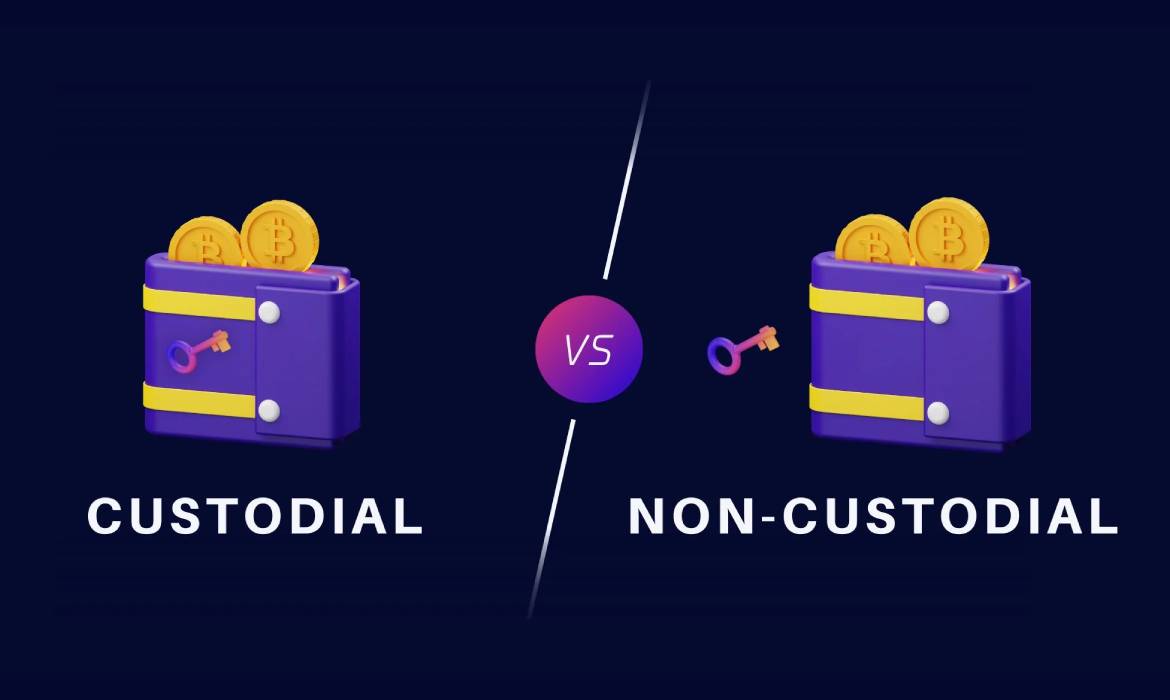
Custodial vs. Non-Custodial Wallets: Understanding the Difference
As more individuals and businesses adopt cryptocurrency, choosing the right type of wallet becomes an essential part of managing digital assets. Two of the most common options custodial and non-custodial wallets offer very different approaches to security, control, and convenience. Understanding how they work can help you make informed decisions about where and how to store your crypto.
What Is a Custodial Wallet?
A custodial wallet is a wallet where your private keys the cryptographic keys that grant access to your funds—are held by a third party. These custodians are usually exchanges, fintech platforms, or service providers.
In simpler terms, using a custodial wallet is similar to keeping your money in a bank: the institution manages your assets while giving you user-friendly tools to access them.
Advantages:
Ease of use: Ideal for beginners because the provider manages keys and security.
Account recovery: Lost passwords can often be recovered through customer support.
Integrated features: Many custodial services offer trading, staking, and lending options.
Disadvantages:
Less control: You rely on a third party to keep your assets safe.
Custodian risk: Hacks, mismanagement, or regulatory freezes can affect your funds.
Less privacy: Providers may require personal information for compliance.
What Is a Non-Custodial Wallet?
A non-custodial wallet gives you full ownership of your private keys. You alone control your funds, which means no intermediary can freeze or access your assets. These wallets can be software-based (like mobile apps) or hardware devices.
Advantages:
Full control: Only you have access to your private keys.
Higher security: Reduced risk of centralized hacks.
Greater privacy: Minimal personal data required.
Disadvantages:
No recovery if keys are lost: Losing your seed phrase means losing access permanently.
More responsibility: Security and backups are entirely in your hands.
Learning curve: Not always ideal for absolute beginners.
Which Wallet Should You Choose?
Your choice depends on your priorities:
If you want simplicity and convenience, a custodial wallet might suit you best.
If you value security, autonomy, and privacy, a non-custodial wallet is the stronger option.
Many users adopt a hybrid approach keeping trading funds in a custodial exchange while storing long-term investments in a non-custodial wallet.