CategoriesCryptocurrency

Tips to Keep Your Crypto Digital Assets Safe

Cryptocurrencies have become a popular investment and payment method, offering users greater financial freedom and control. However, with this freedom comes the responsibility of protecting digital assets from hackers, scams, and accidental loss. Following proper security practices can significantly reduce risks and help safeguard your cryptocurrency holdings.

One of the most important steps is using a secure wallet. Hardware wallets, which store private keys offline, are generally considered safer than online wallets because they are less vulnerable to cyberattacks. If you use a software wallet, ensure it comes from a reputable provider and is regularly updated.

Strong passwords are essential for protecting crypto accounts. Create unique, complex passwords that combine letters, numbers, and special characters. Avoid reusing passwords across multiple platforms. Additionally, enable two-factor authentication (2FA) whenever possible to add an extra layer of security.

Be cautious of phishing scams. Cybercriminals often create fake websites, emails, or messages that appear legitimate to trick users into revealing sensitive information. Always verify website URLs and avoid clicking suspicious links. Never share your private keys or recovery phrases with anyone.

Keeping backup copies of wallet recovery phrases in secure offline locations is another critical practice. Store them in multiple safe places, such as a secure safe or a fireproof storage box. Losing access to your recovery phrase may result in permanent loss of your funds.

Regularly updating your devices and security software helps protect against newly discovered vulnerabilities. Use antivirus programs and avoid conducting crypto transactions on public Wi-Fi networks.

Finally, stay informed about emerging threats and security best practices in the cryptocurrency industry. Education is one of the strongest defenses against fraud and cybercrime.

By implementing these precautions, crypto users can greatly improve the security of their digital assets and enjoy the benefits of cryptocurrency with greater confidence and peace of mind.

start investing in cryptocurrency
CategoriesCryptocurrency

How to Start Investing in Cryptocurrency as Beginner?

Starting to invest in cryptocurrency can feel overwhelming, but beginners can approach it step by step. First, understand the basics of how cryptocurrencies work. Digital assets such as Bitcoin and Ethereum operate on blockchain technology, which is a decentralized system that records transactions securely and transparently.

Next, choose a reliable cryptocurrency exchange. Platforms like Coinbase, Binance, or Kraken allow users to create accounts, deposit funds, and buy cryptocurrencies easily. After registering, complete identity verification and enable security features such as two-factor authentication to protect your account.

Start investing with a small amount of money you can afford to lose. Cryptocurrency markets are highly volatile, meaning prices can rise or fall quickly. Instead of putting all your funds into one asset, consider diversifying across several coins to reduce risk.

It is also important to store your assets safely. Many investors move their funds from exchanges to private crypto wallets for better control and security. Hardware wallets or reputable software wallets can help protect your investments from hacking risks.

Finally, focus on long-term learning rather than quick profits. Follow market news, study different projects, and understand the risks before making decisions. By starting small, staying patient, and continuing to learn, beginners can gradually build confidence and experience in cryptocurrency investing.

Custodial vs. Non-Custodial Wallets
CategoriesCryptocurrency

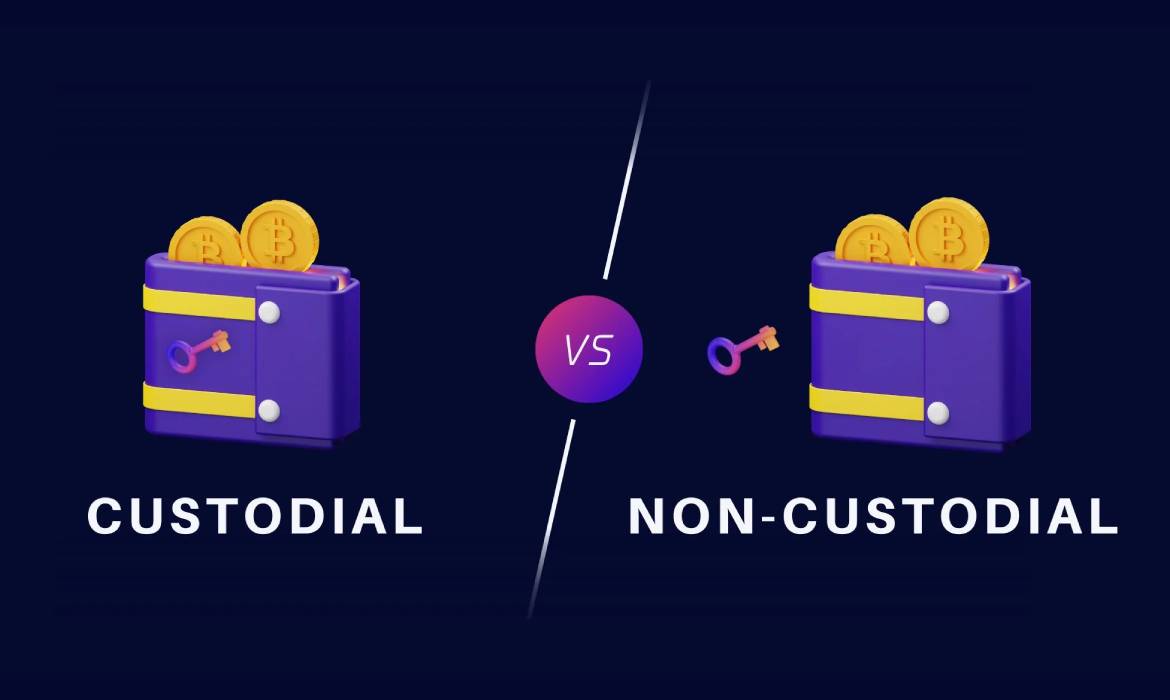
Custodial vs. Non-Custodial Wallets

Custodial vs. Non-Custodial Wallets: Understanding the Difference

As more individuals and businesses adopt cryptocurrency, choosing the right type of wallet becomes an essential part of managing digital assets. Two of the most common options custodial and non-custodial wallets offer very different approaches to security, control, and convenience. Understanding how they work can help you make informed decisions about where and how to store your crypto.

What Is a Custodial Wallet?

A custodial wallet is a wallet where your private keys the cryptographic keys that grant access to your funds—are held by a third party. These custodians are usually exchanges, fintech platforms, or service providers.
In simpler terms, using a custodial wallet is similar to keeping your money in a bank: the institution manages your assets while giving you user-friendly tools to access them.

Advantages:

  • Ease of use: Ideal for beginners because the provider manages keys and security.

  • Account recovery: Lost passwords can often be recovered through customer support.

  • Integrated features: Many custodial services offer trading, staking, and lending options.

Disadvantages:

  • Less control: You rely on a third party to keep your assets safe.

  • Custodian risk: Hacks, mismanagement, or regulatory freezes can affect your funds.

  • Less privacy: Providers may require personal information for compliance.

What Is a Non-Custodial Wallet?

A non-custodial wallet gives you full ownership of your private keys. You alone control your funds, which means no intermediary can freeze or access your assets. These wallets can be software-based (like mobile apps) or hardware devices.

Advantages:

  • Full control: Only you have access to your private keys.

  • Higher security: Reduced risk of centralized hacks.

  • Greater privacy: Minimal personal data required.

Disadvantages:

  • No recovery if keys are lost: Losing your seed phrase means losing access permanently.

  • More responsibility: Security and backups are entirely in your hands.

  • Learning curve: Not always ideal for absolute beginners.

Which Wallet Should You Choose?

Your choice depends on your priorities:

  • If you want simplicity and convenience, a custodial wallet might suit you best.

  • If you value security, autonomy, and privacy, a non-custodial wallet is the stronger option.

Many users adopt a hybrid approach keeping trading funds in a custodial exchange while storing long-term investments in a non-custodial wallet.

Arbitrage – Cryptocurrency Trading Strategies
CategoriesCryptocurrency

Arbitrage – Cryptocurrency Trading Strategies

Arbitrage cryptocurrency trading is a strategy that takes advantage of price differences for the same digital asset across different exchanges or markets. Since cryptocurrencies are traded globally and prices can vary due to supply, demand, and liquidity differences, traders can profit by buying low in one market and selling high in another.

Types of Arbitrage Strategies
  • Spatial Arbitrage: Involves buying cryptocurrency on one exchange where the price is lower and selling it on another where the price is higher.

  • Triangular Arbitrage: Exploits price differences between three currency pairs within the same exchange. For example, converting Bitcoin to Ethereum, Ethereum to USDT, and USDT back to Bitcoin for a net gain.

  • Statistical Arbitrage: Uses algorithms and quantitative models to identify short-lived price inefficiencies across markets.

Key Considerations

Successful arbitrage requires speed, as price gaps can disappear within seconds. Traders often use automated trading bots to execute transactions quickly. Transaction fees, withdrawal limits, and transfer times must be factored in, as they can reduce or eliminate profits.

Risks Involved

While arbitrage can be profitable, it carries risks such as market volatility, execution delays, exchange reliability issues, and sudden price corrections. Regulatory differences between countries can also impact cross-border arbitrage opportunities.

In conclusion, arbitrage trading offers a relatively low-risk profit potential compared to speculative trading, but success depends on fast execution, careful cost management, and thorough market research.

Keep Your Crypto Secure
CategoriesCryptocurrency

How to Keep Your Crypto Secure?

Cryptocurrencies offer exciting opportunities for financial freedom and innovation, but with these opportunities come serious security risks. The decentralized nature of crypto means you’re fully responsible for the safety of your digital assets. Here’s a comprehensive guide to help you protect your crypto holdings from theft, loss, and scams.

1. Use a Hardware Wallet

A hardware wallet (also known as a cold wallet) is a physical device that stores your private keys offline. Unlike software wallets or exchange-based wallets, hardware wallets are immune to online hacks.

  • Recommended: Ledger, Trezor
  • Never buy used or secondhand devices—always purchase directly from the manufacturer.
2. Never Share Your Private Keys or Seed Phrase

Your private key or seed phrase gives full access to your crypto. If someone else gets it, they can steal your funds—no password reset, no recovery.

  • Write your seed phrase down and store it securely offline.
  • Use a fireproof and waterproof storage medium.
  • Never upload it to cloud services or send it via email.
3. Enable Two-Factor Authentication (2FA)

Always enable 2FA on your crypto exchange accounts and wallets. Use an authenticator app like Google Authenticator or Authy instead of SMS-based 2FA, which is vulnerable to SIM-swap attacks.

4. Keep Your Devices Secure

Crypto theft often starts with malware or phishing attacks. Protect your devices by:

  • Installing antivirus and anti-malware software.
  • Keeping your operating system and apps up to date.
  • Avoiding public Wi-Fi when accessing your crypto accounts.
  • Using strong, unique passwords managed via a password manager.
5. Be Wary of Phishing Scams

Phishing remains one of the most common attack vectors. Always double-check URLs before logging in to exchanges or wallets. Never click on suspicious links or attachments.

  • Bookmark official sites you use frequently.
  • Beware of social media DMs and unsolicited messages pretending to offer support.
6. Use Reputable Wallets and Exchanges

Stick with well-known and audited wallets and exchanges. Research before trusting any platform.

  • Verify the exchange’s security history.
  • Use platforms with proof-of-reserves and insurance policies if possible.
7. Consider Multi-Signature Wallets

A multi-signature (multi-sig) wallet requires multiple private keys to authorize a transaction. It’s an excellent choice for businesses or individuals with large holdings.

8. Have a Recovery Plan

Plan for the unexpected. What happens to your crypto if you’re incapacitated?

  • Consider leaving instructions for trusted family members in a secure, legal format (like a will).
  • Use crypto inheritance services cautiously and only after due diligence.
Conclusion

Crypto security is all about layered protection. By combining offline storage, strong digital hygiene, and a clear recovery plan, you can dramatically reduce your risk of losing your digital assets. Remember, in the world of crypto, you are your own bank—and that comes with responsibility.

How to Choose a Cryptocurrency Wallet
CategoriesCryptocurrency

How to Choose a Cryptocurrency Wallet

Selecting the right cryptocurrency wallet is crucial for safeguarding your digital assets and ensuring seamless transactions. With various types of wallets available, understanding their features and security measures will help you make an informed decision.

Types of Wallets
Cryptocurrency wallets fall into two main categories: hot wallets and cold wallets.

Hot wallets are connected to the internet and include mobile, desktop, and web wallets. They offer convenience and quick access but are more vulnerable to hacking.
Cold wallets store assets offline, such as hardware or paper wallets. They provide enhanced security and are ideal for long-term storage.

Security Features
Security is a top priority when choosing a wallet. Look for features like two-factor authentication (2FA), encryption, backup options, and private key control. Hardware wallets are considered the safest as they keep private keys offline, reducing hacking risks.

Ease of Use & Compatibility
A good wallet should have an intuitive interface and support multiple cryptocurrencies if you plan to manage different assets. Ensure it is compatible with your operating system (Windows, iOS, Android).

Reputation & Support
Choose a wallet from a reputable provider with strong customer support and positive user reviews. Open-source wallets with community audits offer greater transparency and security.

By considering these factors, you can select a wallet that balances security, usability, and functionality, ensuring safe management of your digital assets.

inflows and outflows on crypto trading
CategoriesCryptocurrency

Inflows and Outflows on Crypto Trading

In crypto trading, inflows and outflows can provide insights into market sentiment and help shape trading strategies. Here’s how they work and how they can inform trading decisions:

Understanding Inflows and Outflows

Inflows refer to the movement of cryptocurrency from external wallets into exchanges. When a significant amount of crypto moves to exchanges, it often signals that holders might be planning to sell, which can increase selling pressure and potentially lead to price declines.

Outflows indicate the transfer of crypto assets from exchanges to external wallets, suggesting holders are planning to hold rather than trade. Large outflows often imply that investors are confident in holding assets, reducing the available supply on exchanges and potentially supporting price increases.

Why They Matter in Strategy

Price Direction and Momentum: High inflows can indicate bearish sentiment, while high outflows can signal bullish sentiment. Traders can use these signals to adjust positions accordingly.
Market Sentiment Gauge: Inflows and outflows are used alongside sentiment analysis to gauge market mood. When outflows are high, it suggests confidence among long-term holders, which may attract bullish interest.
Liquidity and Volatility: High inflows increase the available supply of crypto on exchanges, potentially leading to increased trading activity and higher volatility. Low inflows, combined with high outflows, reduce available supply, which can stabilize or gradually increase prices due to reduced liquidity.

Example Trading Strategies Based on Inflows and Outflows
  • Accumulation Strategy: During periods of high outflows, traders might accumulate crypto assets, betting on long-term price appreciation.
  • Sell or Short Strategy: Significant inflows can be an early warning signal for a price correction. Traders might consider selling or shorting positions when inflows increase substantially.
  • Scalping and Intraday Trading: Short-term traders use inflow/outflow data to identify when sharp price movements are likely, allowing them to capitalize on quick swings within a day.
  • Long-Term Holding vs. Staking: Outflows that coincide with staking trends indicate holders’ confidence in long-term gains. Some traders may choose to hold or stake assets for potential appreciation, depending on the broader market context.
Combining Inflows/Outflows with Other Indicators

Traders often combine inflow and outflow data with other technical indicators like moving averages, relative strength index (RSI), or on-chain data such as active addresses to confirm signals and improve decision accuracy.

Whale Activity Analysis: Observing inflows and outflows from wallets associated with large holders (whales) can help anticipate larger market moves since whales often influence overall price trends.

Risk Management

Monitoring inflows and outflows can help traders manage risk by timing their entry and exit points according to market sentiment shifts. By tracking exchange data, traders can avoid making hasty decisions during periods of high volatility.

Cryptocurrencies Safe Investments
CategoriesCryptocurrency

Is Cryptocurrency a Safe Investment?

The safety of investing in cryptocurrencies depends on various factors, and it’s important for investors to carefully consider the risks involved. Here are some key points to consider when evaluating the safety of investing in cryptocurrencies:

Volatility: Cryptocurrencies are known for their price volatility. Prices can experience significant fluctuations over short periods, which can result in both substantial gains and losses. Investors should be prepared for the inherent volatility in the crypto market.

Regulatory Environment: Cryptocurrency markets are subject to evolving regulatory environments. Changes in regulations can impact the legality and acceptance of cryptocurrencies, affecting their value and accessibility. Investors should stay informed about regulatory developments in their jurisdictions.

Security Risks: Cryptocurrency exchanges and wallets can be susceptible to security breaches, hacking, and fraud. It’s crucial to choose reputable exchanges and use secure wallet solutions to minimize the risk of unauthorized access and theft.

Market Sentiment and Speculation: Cryptocurrency prices are often influenced by market sentiment, news, and speculation. Positive or negative developments can lead to rapid price movements. Investors should be cautious about making decisions based solely on short-term trends and speculation.

Lack of Regulation: The decentralized nature of many cryptocurrencies means that they operate outside traditional financial systems and regulations. While this provides certain advantages, it also means that investors may have limited recourse in the event of fraud or disputes.

Technological Risks: Cryptocurrencies rely on blockchain technology, which is still relatively new and continuously evolving. There can be technological challenges, software bugs, or security vulnerabilities that may impact the functionality and security of a particular cryptocurrency.

Long-Term Viability: The cryptocurrency market is dynamic, and not all projects will succeed. Investors should conduct thorough research to understand the fundamentals of a cryptocurrency, including its technology, use case, development team, and community support.

Diversification: As with any investment, diversification is a key risk management strategy. Rather than putting all funds into a single cryptocurrency, spreading investments across different assets can help mitigate risks associated with the performance of any single asset.

Educational Resources: Investors should take the time to educate themselves about the cryptocurrency market, blockchain technology, and the specific projects they are interested in. Understanding the fundamentals can empower investors to make more informed decisions.

It’s important to note that while cryptocurrencies can offer opportunities for profit, they also come with risks. Investors should only invest what they can afford to lose and consider consulting with financial professionals before making investment decisions. Additionally, market conditions and the regulatory landscape can change, so staying informed about developments in the cryptocurrency space is crucial.